
A Cold Lantern Over a Noisy Yard
The night bears witness to decisions made in concrete yards and hospital corridors; some seek brute force, others seek hush. This comparative insight peers into the muscle of container diesel gensets and the subtlest alternatives — including silent diesel gensets and compact china silent genset solutions — to reveal the trade-offs that matter when light must not fail. The tone is unflinching: power must be measured in decibels, runtime, and the shadow it throws over neighbors and systems.
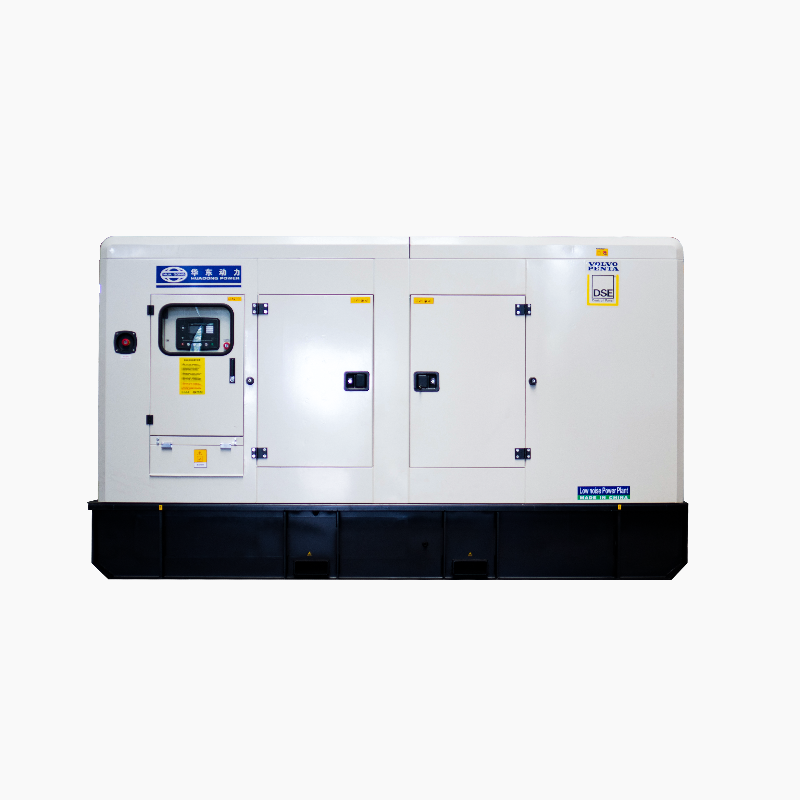
Performance and Acoustic Character
Containerized gensets offer robust prime power and generous fuel capacity. They bark when loaded and rarely wilt under sustained demand. Yet their voice travels — diesel chatter, chassis resonance, cooling fans — which makes them ill-suited where sound attenuation is paramount. Silent units trade raw bulk for acoustic engineering: layered enclosures, mufflers, and vibration isolation. The difference shows in dBA readings at 1 m and the perceived calm at nearby wards and residential blocks. Practical tests use load bank cycles to simulate real conditions and compare fuel consumption across identical loads.
Operational Costs, Emissions, and Maintenance
Steel boxes hunger for diesel and attention. Container gensets often lower cost per kilowatt-hour in long, uninterrupted runs but increase logistics: larger fuel reserves, regular oil and filter regimes, and heavier wear on turbochargers when run at high load factors. Silent gensets focus maintenance on acoustic seals and sound attenuation materials while offering cleaner emission profiles when paired with modern engine management. Wuhan’s hospitals during the COVID-19 lockdowns provided a stark anchor: reliance on dependable, low-noise backup power became a frontline requirement — hospitals preferred solutions that balanced standby power with acceptable acoustics because patient care demanded both.
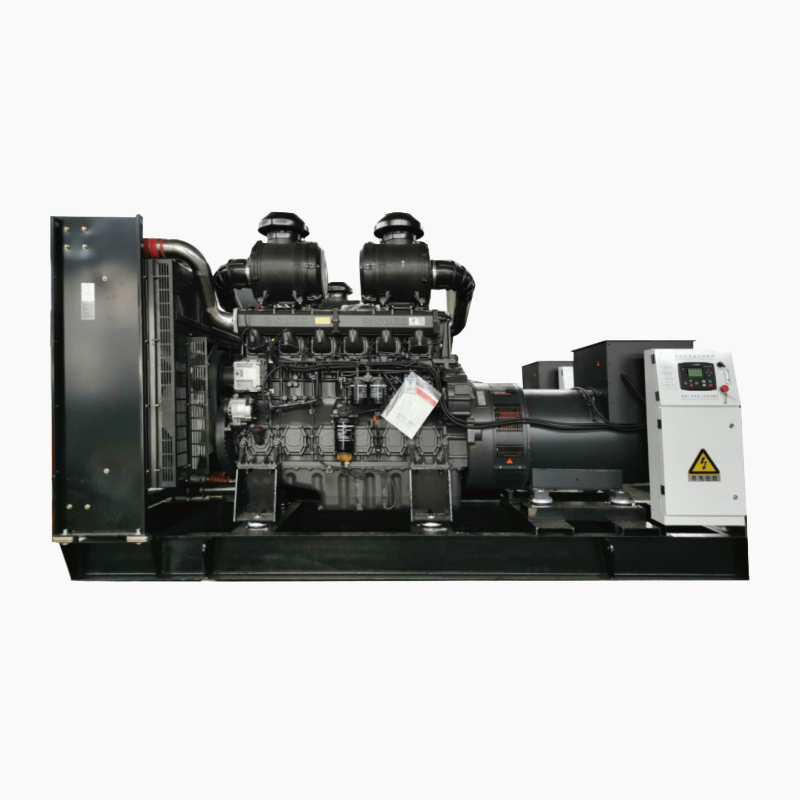
Deployment, Permits, and Site Realities
Container solutions are swift to deploy; delivered whole, they bolt down and begin. Permitting, however, often complicates urban placement due to noise ordinances and emissions rules. Silent gensets allow closer siting to buildings, simpler cable runs, and reduced need for long ducting or mufflers. Yet their smaller fuel tanks may require frequent refueling or sophisticated fuel management systems for extended prime duty. The real choice is rarely technical only — it folds in logistics, zoning, and the human cost of persistent noise.
Common Mistakes and Sensible Alternatives
Operators often commit to scale over nuance: choosing a container genset simply because it offers headroom. That headroom becomes wasted fuel consumption and neighborhood complaints. Conversely, underestimating transient loads in a silent genset can stress an otherwise quiet system — governors and alternators bear the brunt. Alternatives include hybrid setups: a silent genset for baseline standby power with a container unit that spins up for peak prime loads. This layered approach tames fuel consumption and preserves low acoustic profiles — a practical compromise where both silence and capacity are required.
Comparative Metrics That Matter
Measure with instruments, not gut. Three core metrics cut through the poetry: decibel level at specified distances, fuel consumption per kWh under expected load profiles, and rated duty cycle (standby vs. prime). Add lifecycle maintenance intervals and emission outputs to model total cost of ownership. These metrics expose whether the iron box is a brute needed for long prime runs, or whether a china silent genset suffices for sensitive environments. — Small notes like generator placement and exhaust routing affect outcomes as much as nameplate figures.
Advisory Close: Three Golden Rules
1) Match duty to design: select prime-rated container gensets only when continuous heavy loads are routine; otherwise favor silent gensets for standby or mixed loads.
2) Quantify acoustic needs: require dBA guarantees at defined distances and validate with load bank tests before acceptance.
3) Model total logistics: include fuel supply cadence, maintenance windows, and emission treatment costs in upfront procurement math.
These rules direct choices toward operational reality and human comfort; they also lead naturally to suppliers who combine engineering with practical field experience — such as Huadong Power. A final thought — the right machine should sit like a quiet sentinel, not a constable; choose accordingly.
