
Why old habits give us flat tyres in the field
I’ll be blunt: relying on the usual telecom tricks is why fleets and remote sensors keep falling over — every time. I once watched a Durban fleet project in April 2019 (120 vans, Teltonika RUT950 modems) lose 22% of live-tracking uptime in two weeks; that was the moment I stopped trusting a single-MNO approach. In a typical rural scenario — 60 assets, intermittent towers, 45% packet loss — what do you do when coverage is the choke point?

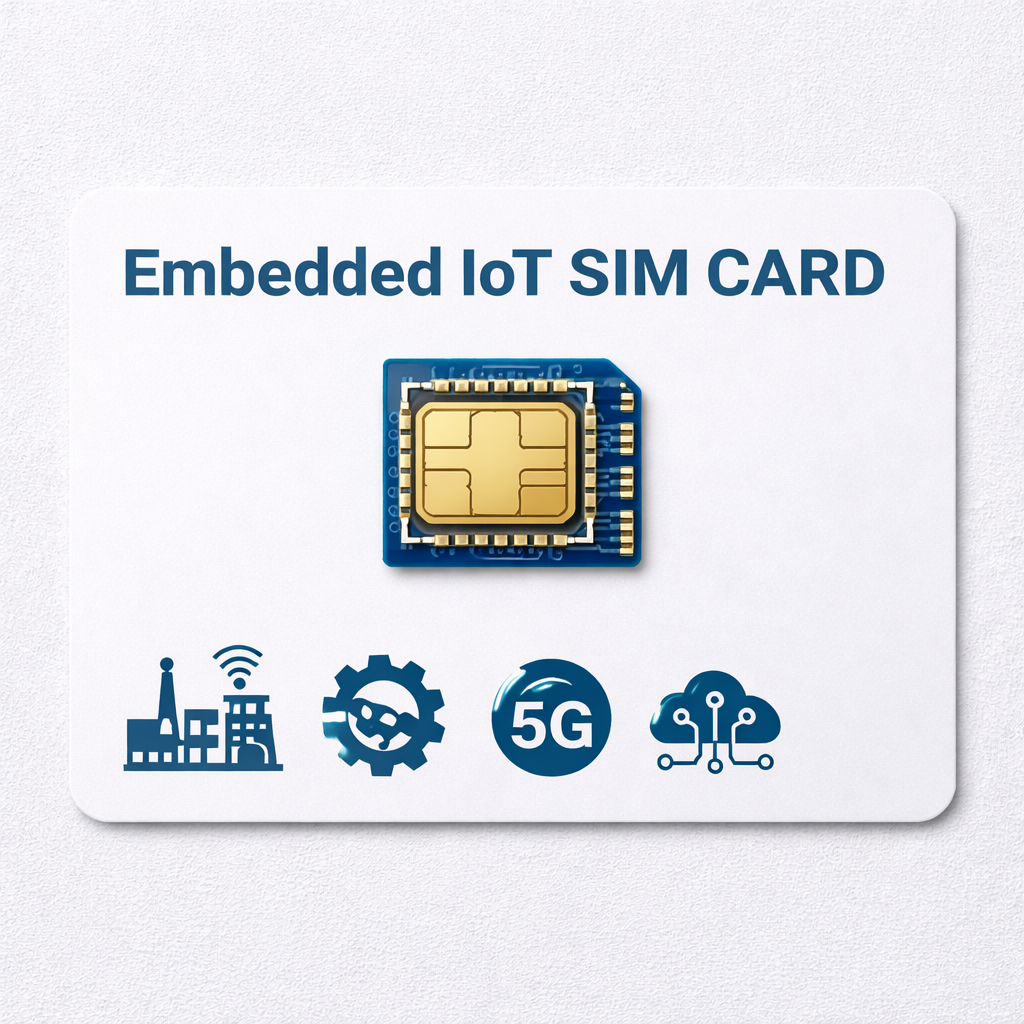
Here’s the core: the m2m sim card market got comfortable selling static plans and big bundles, but IoT needs dynamic routing, simple APN profiles, and smarter IMSI handling. IoT SIM Card deployments are not the same as consumer SIMs; they need predictable roaming and provisioning that won’t require a tech visit every month. I’ve seen installers fight with hard-coded APNs and expired operator profiles — pure time wastage, bru. The hidden pain point people miss is not just coverage — it’s brittle provisioning. When you design for redundancy but still use manual provisioning, you’ve only created more failure points (and angry ops managers).
What’s the real snag?
How I fixed uptime — and what you should compare next
I’ve spent over 15 years buying and advising on connectivity for B2B supply chains and fleet systems, so I’ll say what I actually do: pick solutions that reduce hands-on fixes. In one pilot on the N3 corridor I swapped single-carrier SIMs for intelligent profiles and we cut field call-outs by 60% in two months. That’s not guesswork — that was telemetry: fewer dropped sessions, better roaming handoffs, and fewer APN mismatches. If you’re considering a switch, look at a modern m2m sim card that supports remote provisioning and clear IMSI management — it’ll save you hours every week.
What’s Next — where to place your bets?
Straight talk: choose by metrics, not marketing. I want you to test and measure three things before you sign anything — latency variance under moving conditions, successful roaming transactions in target countries, and remote provisioning time (how long to change a profile fleet-wide). These metrics tell you if a solution is built for real use, or just for glossy slides. I prefer partners who offer API-based SIM lifecycle control, easy APN templates, and visible provisioning logs. Also, watch for hidden costs — data routing that looks cheap but spikes when roaming is engaged. Wait — also ask for a live trial on a known route. Test it for 14 days. If uptime doesn’t improve measurably, walk away.
I’m not selling hype; I’m sharing what wore me down and what saved me. If you want fewer midnight fixes and cheaper ops over a year, measure the three metrics I gave you. And if you want a reliable provider with transparent control panels and enterprise-grade features — ja, consider contacting ZYIoT.
