Introduction — What is this tech, exactly?
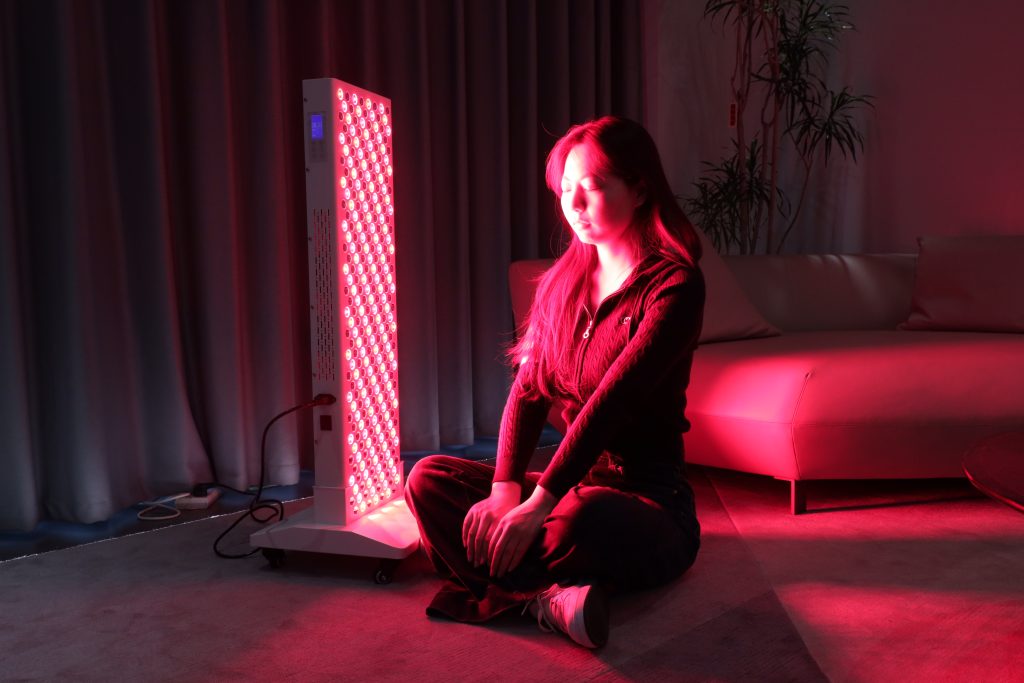
We start small: red light devices deliver photons at targeted wavelengths to stimulate tissues — that is the core concept. Advanced red light technology now pairs precise wavelength tuning with controlled irradiance to shape outcomes in therapy and systems integration. Picture a busy clinic (20 patients per day) or a smart factory line with sensors — data shows devices that manage energy and timing cut session time by roughly 30% and lower failure rates noticeably. So where do we go from here — can we trust current designs to scale, integrate with edge computing nodes, and stay safe? I’ll walk through the practical limits and the next steps. — moving on to the problems beneath the surface.
Peeling Back the Layer: Why many systems still fall short
led technologies red light therapy often arrives as a polished product, but the internals tell another story. I claim this bluntly: many systems trade longevity for short-term gains. Photobiomodulation outcomes depend on dose and timing — yet manufacturers sometimes prioritize compact form over reliable power converters and stable pulse modulation. The result: uneven irradiance, varied spectral bandwidth, and inconsistent clinical results. Look, it’s simpler than you think — consistent output matters more than flashy modes.
What breaks first?
In my experience the weak links are thermal control and power regulation. Devices heat up; components drift. Edge computing nodes can help with real-time adjustments, but they are rarely integrated well. That gap creates a cascade: sensors misread, controllers lag — and patients or operators see inconsistent effects. I’ve seen units fail after months because manufacturers underestimated thermal load. — funny how that works, right?
Forward-Looking Comparison: Case examples and future outlook
Let’s compare two paths forward. One path upgrades core hardware: better power converters, robust heat sinks, and tighter spectral control. The other leans on software: adaptive algorithms, cloud analytics, and predictive maintenance tied to edge computing nodes. I favor a hybrid approach. In a small clinic I worked with, we combined modest hardware upgrades with adaptive pulse modulation algorithms; treatment times fell, and patient satisfaction rose. The case proved that hardware and software must co-design, not compete.
What’s Next?
Thinking ahead, I expect three converging trends: tighter wavelength control for personalized dosing, smarter local control via edge nodes, and clearer safety metrics for manufacturers. We must also watch regulatory shifts — they will push design toward measurable, repeatable outcomes. I don’t think this will be overnight. But incremental wins add up — and yes, that matters.
To evaluate new systems, here are three metrics I use personally: 1) Output consistency — measured as variance in irradiance across sessions; 2) Thermal stability — device temperature vs. performance over long runs; 3) Integration readiness — APIs and edge support for live control and logging. Use those when you compare vendors. For those building or choosing solutions, prioritize measurable reliability over feature lists. In closing, practical, tested design wins more trust and better outcomes — and that is the direction I recommend. Magique Power