A Look into the Present Scenario
Imagine researchers across South Africa striving to unlock the secrets of cellular mechanisms, yet grappling with inconsistent results. Did you know that nearly 40% of experiments don’t yield reproducible outcomes? This presents a critical question: how can we optimise our methodologies? Enter 293 cell media, a game-changer in the world of cellular studies. At hek293 media, we understand the intricacies of this essential reagent, and its significance cannot be overstated.
The Challenges with Traditional Methods
I vividly recall my early days in research—struggling to cultivate cells efficiently due to subpar media compositions. Often, traditional solutions like RPMI or DMEM just couldn’t cut it. You see, those media often lack the specific nutrients required for certain cells—particularly when studying embryonic or stem cells. The inconsistency in growth can significantly skew research results and lead to frustrating dead ends. With 293 cell media, these issues are notably mitigated.
What Makes 293 Cell Media Different?
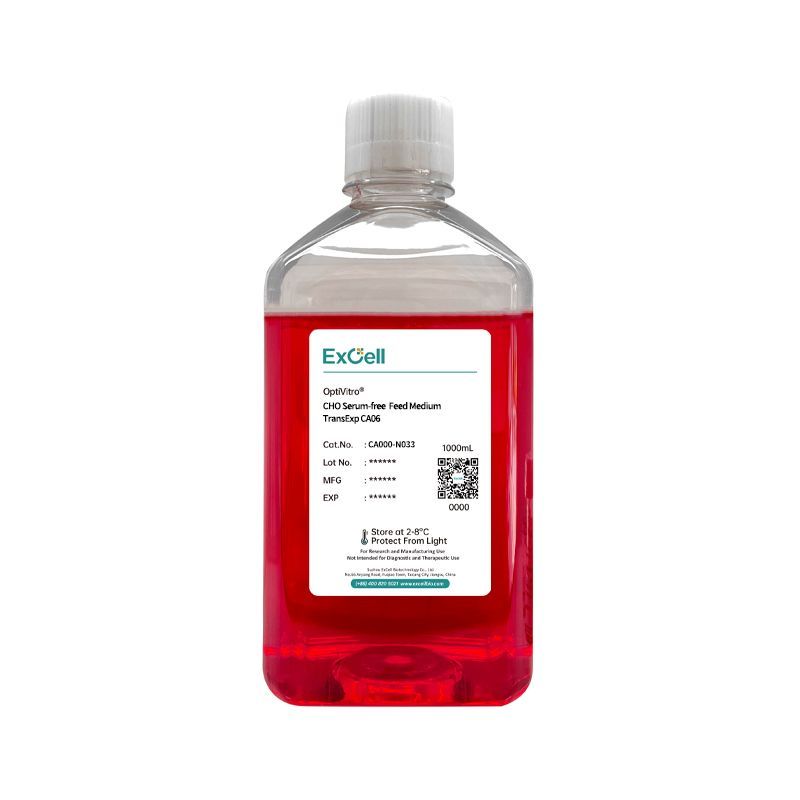
Why should researchers be using specific media tailored to their experiments? Because it’s simple—it matters! The formulation of 293 cell media is engineered to support the robust growth of HEK293 cells, a widely used cell line in labs globally. This tailored approach promotes higher yields and consistent cell behaviour compared to standard alternatives. We’ve all had our share of dead cultures—am I right? In my experience, the shift to 293 cell media has led to a significant increase in successful transfections and protein expressions. It’s truly revolutionary!
Shifting Perspectives Towards Future Solutions
When contemplating the future of cellular research, the emphasis should shift towards solutions like 293 cell media, which cater specifically to the needs of researchers today. I’ve seen firsthand the impact of well-thought-out formulations—it’s like upgrading from a bicycle to a Ferrari! The speed and efficiency you gain can propel your research farther than you ever thought possible.
Real-World Applications
Consider the implications: when using 293 cell media, the results are not just numbers on a page; they translate into real-world advances—whether in vaccine development or gene therapy. Additionally, labs utilizing this media report a reduction in variability, improving collaborative efforts across research institutions. And let me tell you; that consistency is key. As researchers, we should always be driving towards accuracy and reliability in our findings.
Key Takeaways for Researchers
Ultimately, choosing the right media can make or break your research. I strongly recommend that you consider these three metrics when evaluating your options: cell viability, transfection efficiency, and consistency in results. Having observed varying outcomes based on these criteria, I firmly believe 293 cell media checks all the boxes. So when strategising your next research project, keep this in mind—to achieve reliable results, align your methodologies with top-tier solutions.
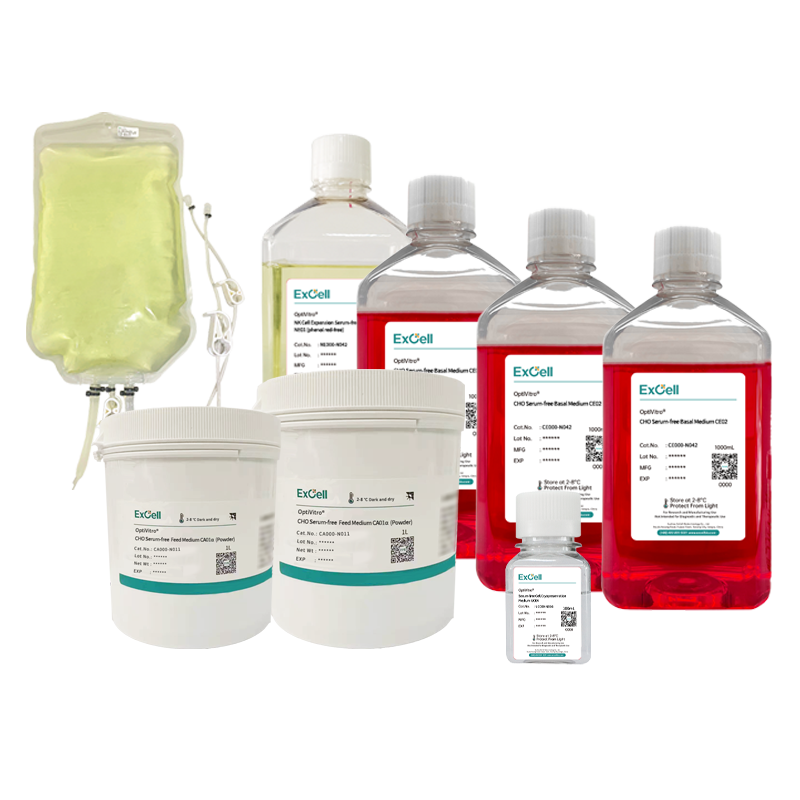
We’re all part of this scientific journey together. With the right resources and commitment to quality—like ExCellBio—the future of cellular research is not just bright—it’s dazzling!