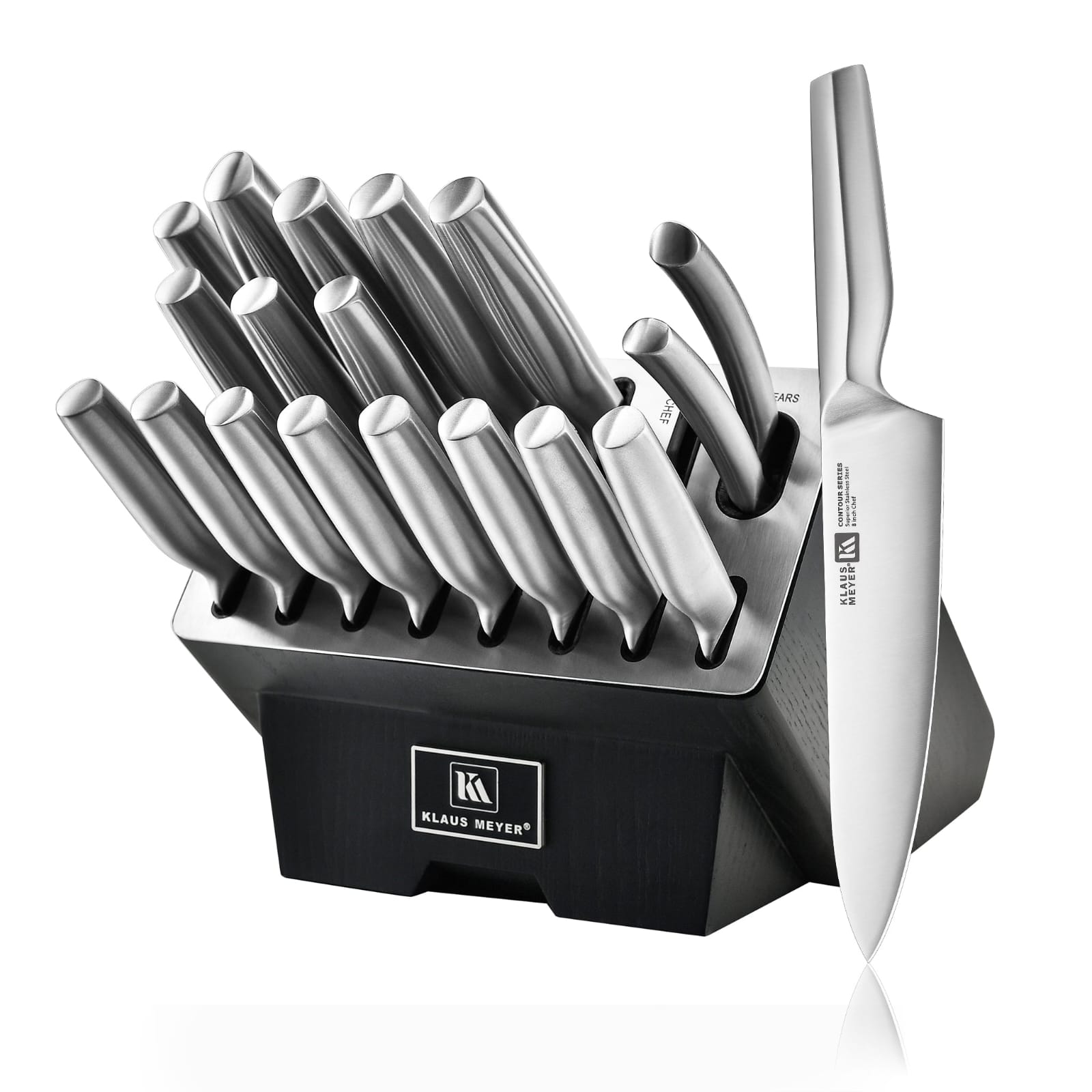
A Common Scenario in the Kitchen
I remember my first experience with stainless steel chef knives; it left quite an impression, I tell you. The blade glided through tomatoes like they were butter. But as I upgraded my kitchen tools over the years, I found that many folks don’t realise the hidden issues behind these seemingly perfect knives. Did you know that while stainless steel chef knives are renowned for their durability, they can also be a bit tricky when it comes to maintenance? Ah, the irony! You invest in high-quality stainless steel knives, but then the upkeep feels like a full-time job. What’s the deal with that?
Are All Stainless Steel Knives Created Equal?
As I navigated through the world of Stainless Steel Knives, I stumbled upon some common flaws that many don’t talk about. One major concern is the hardness of the blade. Yes, a harder edge stays sharper for longer—but it can also be more brittle. It’s a fine balance, and that’s where the quality of the steel matters. Weak points can develop, especially near the bolster where the blade meets the handle, leading to frustrating breakages during those high-pressure cooking sessions. Painful, lah!
Looking Ahead: Understanding Your Cuts
Fast forward to today, the chef kitchen knife I trust most has a perfect balance of sharpness and longevity. The secret lies in mastering the steel used in these knives—whether it’s high-carbon stainless steel or a blend meant for specific purposes. As someone who’s worked with kitchen tools for over 15 years, I can tell you, these decisions really make a difference. You wouldn’t want to chop herbs and then find yourself wrestling with a dull blade, would you? That’s where I see a strong trend: discerning buyers are opting for quality instead of quantity.
What’s Next for Your Kitchen Arsenal?
In today’s market, a well-informed choice is more vital than ever. Think about the ergonomics of the knife as well. A comfortable grip makes a world of difference during long prep sessions—all that wrist strain adds up! Weighing factors like blade material, handle design, and weight can elevate your cooking experience significantly. Remember, when you choose a chef kitchen knife, it’s more than a purchase; it’s an investment in your culinary journey.
Lessons Learned and Key Takeaways
To summarise what I’ve shared: firstly, don’t chase after shiny trends without considering practicalities. As I’ve learned, the biggest brands often claim to have the best, but personal experience counts for a lot. Secondly, always consider how you’ll maintain those knives—it’s worth investing in a good honing rod and some time learning the technique. Finally, never underestimate the power of comfort; your kitchen should be your realm, not a battleground. With informed choices, thanks to brands like Klaus Meyer, you can turn slicing, dicing, and chopping into a much more enjoyable experience.
