Introduction: A Simple Question with Big Consequences
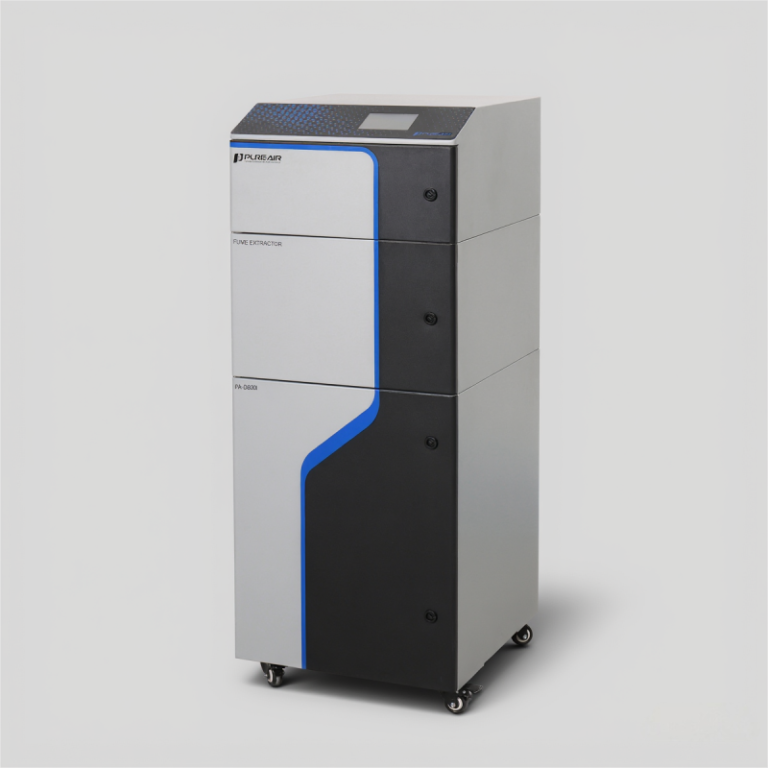
Have you noticed how a small cloud of smoke can change the whole feel of a shop? I see it all the time: a laser cutter humming, a worker rubbing their eyes, and a faint chemical smell that lingers. A laser marking fume extractor is the obvious idea in the second sentence here — but we still get it wrong more often than we should.
Imagine a midsize workshop doing batch marking five days a week. Reports often point to recurring downtime, worker discomfort, and small but steady losses in product finish. Industry figures (airflow rates, CFM, HEPA ratings) show that many installations underperform by design or placement — which raises a basic question: are we choosing the right systems or just the cheapest? I ask this because I’ve fixed setups that looked fine on paper but failed in practice.
I’ll be frank: the topic is boring until something goes wrong. Yet it matters. Poor filtration can increase VOC exposure, shorten component life, and force unexpected cleaning cycles. So what should you watch for first? Let’s dig in — and I’ll point out the practical things I wish everyone checked before they buy.
Looking Deeper: Traditional Solution Flaws and Hidden Pain
Why do filters fail?
When I inspect a laser printer fume extractor, the same patterns repeat. Filters get overloaded because airflow is mismatched to the process. HEPA cartridges clog, activated carbon beds saturate, and the unit’s filtration efficiency drops long before anyone flags it. Look, it’s simpler than you think: if the fan and ducting don’t deliver the rated CFM to the source, the rest is window dressing.
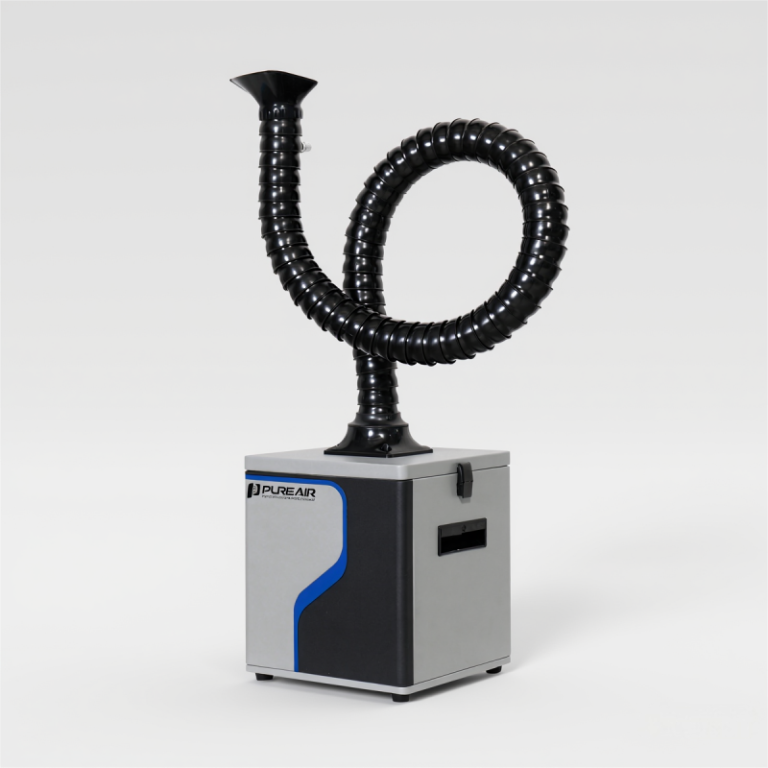
Technically speaking, many traditional setups ignore real-world variables. Placement errors, improper hood design, and lack of VOC sensors all play a role. Power converters or aging blowers lose torque; pressure differentials fall and capture suffers. I’ve measured cases where nominal specs promised 500 CFM but the effective capture at the nozzle was under 150 CFM. That gap means fumes escape and operators get exposed. These are not theoretical faults — they’re practical, measurable failures that increase risk and cost over time.
What Comes Next: New Technology Principles and Practical Choices
What’s Next?
We should look forward with a clear checklist. New designs pair improved filtration media with smarter controls — think variable-speed fans tied to VOC sensors and simple edge computing nodes that log performance. A modern laser printer fume extractor can adjust airflow to match cycle demands, reducing filter load and energy use. I like that approach because it treats the system as an active partner, not a static box.
Here’s my pragmatic advice — three metrics I always use when evaluating systems: 1) Capture efficiency at the source (measured CFM at the nozzle), 2) True filtration life (how many hours before HEPA or carbon needs replacement under your load), and 3) Operational transparency (does the unit report VOC levels, filter differential, and runtime?). Check those, and you’ll avoid the usual surprises. Oh — and consider ease of maintenance; a unit that’s hard to service never gets serviced properly — funny how that works, right?
To sum up: focus on real capture performance, not only on sticker specs. I’ve learned to trust measured results over glossy brochures. If you want reliability, choose systems with monitored airflow, sensible filtration stacks, and straightforward replacement parts. For practical solutions and product details, see PURE-AIR — I recommend starting with vendor data, then verifying on-site. We’ll keep the air cleaner, the team healthier, and the work flowing.