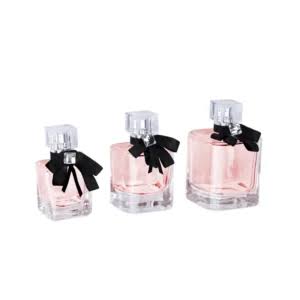
On the Counter, In the Warehouse: Why Shape Suddenly Matters
You’re lining up testers before a weekend pop-up, and the tray wobbles because the bottles won’t sit tight. The square perfume bottles look calm and tidy, like a skyline at sunset. In many retail audits, teams find 8–12% shelf space lost to gaps and drift; shippers report similar waste in cartons because curves invite movement when trucks hit bumps (not great at scale). That’s why buyers keep asking about square perfume glass bottles wholesale—they want the shape to work as hard as the scent.
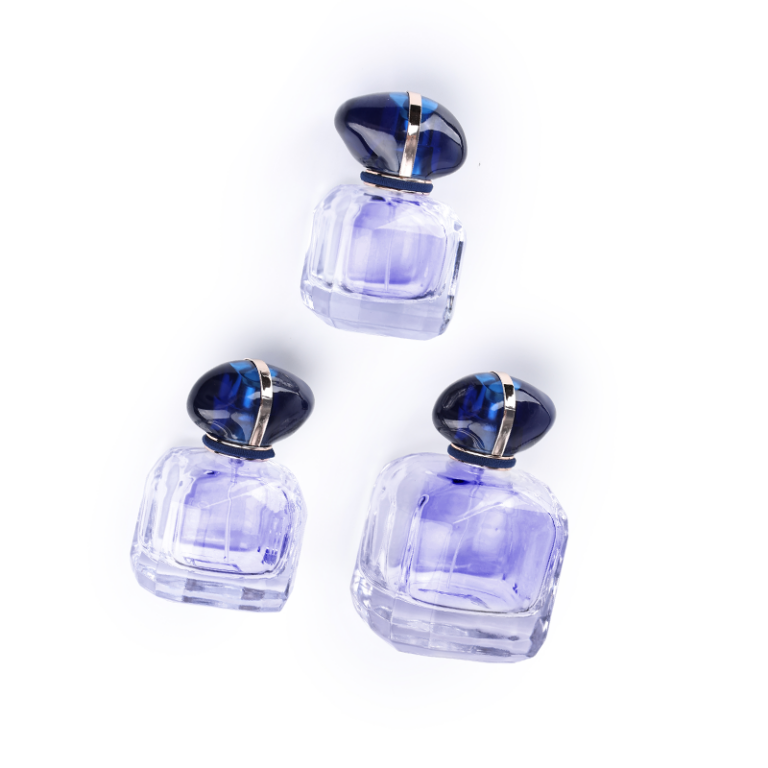
Here’s the twist: most brands still pick bottles the way they did years ago, with little data and lots of guesswork. Square lines up, stacks better, and cuts wiggle room. But how much better, and where does it fail? — funny how that works, right? If your goal is fewer returns, faster planograms, and less breakage, the next piece is where the real friction shows up. Let’s dig in and get clear before you place the next PO.
The Hidden Friction in Bulk Buying
What’s the real choke point?
Let’s get technical for a second. Most wholesale pain isn’t about “square vs. round” in the abstract; it’s about how the bottle is made and packed. In a square design, mold cavity consistency drives the fit of caps and collars, and even small drift in wall thickness can skew the atomizer crimp. That’s where rejects come from. When you buy at volume, the cost isn’t just glass—it’s yield. A 3% uptick in defect rate spreads across your whole decanting line and slows QA. Look, it’s simpler than you think: tighter tolerances, better cartonization, less waste.
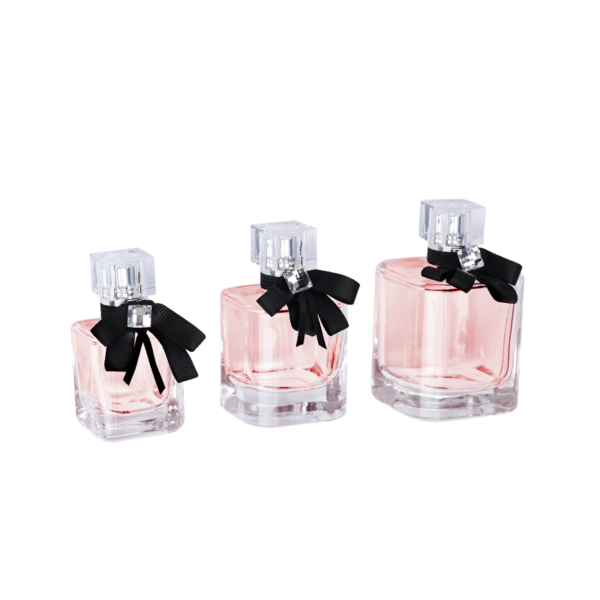
Traditional fixes miss the mark. Extra bubble wrap? It controls scuffs, not corner impact. Double-boxing? It adds freight, cuts margin, and still can’t fix misaligned sprayer crimping torque. The deeper issue is repeatable geometry. Square bottles promise “no roll, easy stack,” but without stable neck dimensions and clean CNC polishing on the lip, you’ll fight micro-leaks during transport. This is why some wholesale buys feel risky: you may not see the issue until your first AQL lot pulls fail. The path forward is clear—specs first, shape second.
Comparative Outlook: Square in Practice, Today and Tomorrow
Real-world Impact
Here’s a simple case. A mid-size atelier moved from a popular round 100 ml to a square form with the same fill volume. With a qualified square glass perfume bottles manufacturer, they tightened neck tolerances, added UV coating for scuff control, and switched to denser EPE inserts. Result: about 16% more units per pallet, and a 9–11% drop in transit damage on mixed-lane shipping. The retail crew noticed planograms took less time because bottles didn’t wander. Small win, big ripple.
Where it’s going next feels even cleaner. Digital batch-code laser etching will cut label waste, while lighter flint glass recipes keep the center of mass low (safer in drop tests). We’re also seeing smarter pack-outs that model shock paths—think simple, not space-age—and on-line QC sampling that flags mold wear before defects hit your warehouse. Semi-formal note, but real: when square geometry meets process control, the “is it better?” debate fades. It just works more often, across more lanes.
How to Choose What Works
Let’s wrap with three metrics you can test before you commit. First, dimensional variance: confirm neck finish and body squareness within your cap supplier’s spec, and ask for the max tolerance by cavity; this protects sprayer crimp and prevents micro-leaks. Second, packed density vs. damage rate: compare palletization maps and actual drop-test data at 80 cm—target fewer cushions, better fit, lower breakage. Third, process yield: check defect rate by category (chips, wobble, mis-crimp) across two pilots, and benchmark AQL trends over time—funny how a steady line tells the truth. Keep it practical, keep it measurable, and you’ll see if the square choice pays off in your world. For more tools and samples, you can tap partners like NAVI Packaging.
