
The backlog I saw at the bench — and why data alone didn’t fix it
At a university core in Cambridge, MA, in June 2019 I watched runs stack up while 60% of projects stalled — why were we losing months to alignment and annotation? I link to a transcriptomics dataset early because the problem begins there: raw files arrive, but the context (spatial barcode maps, imaging metadata, sample provenance) is missing or inconsistent. I remember a lab ordering 100 10x Genomics Visium slides and then discovering incompatible barcoding conventions across two vendors; the consequence was a three-month delay in a cancer atlas pilot. I’ve managed procurement and core workflows for over 15 years, and I can say this plainly: the bottleneck is rarely the sequencer. It’s the brittle handoff between wet lab, imaging (multiplexed imaging), and computational teams. (Yes — simple naming conventions matter.)

What went wrong at the handoff?
From my notes: mislabeled slides, missing spatial transcriptomics coordinates, and CSVs with shifted columns. We treated single-cell RNA-seq and spatial transcriptomics as interchangeable, and that produced confusion. I’ve seen teams re-run library prep because a sample’s orientation on a Visium slide was recorded incorrectly. That error cost a community lab roughly $8,000 in reagents and two wasted sequencing runs. These are not abstract flaws; they are operational failures in inventory, documentation, and data curation that a narrow focus on sequencing depth cannot solve. Here’s what followed — a push to rethink choices and processes.
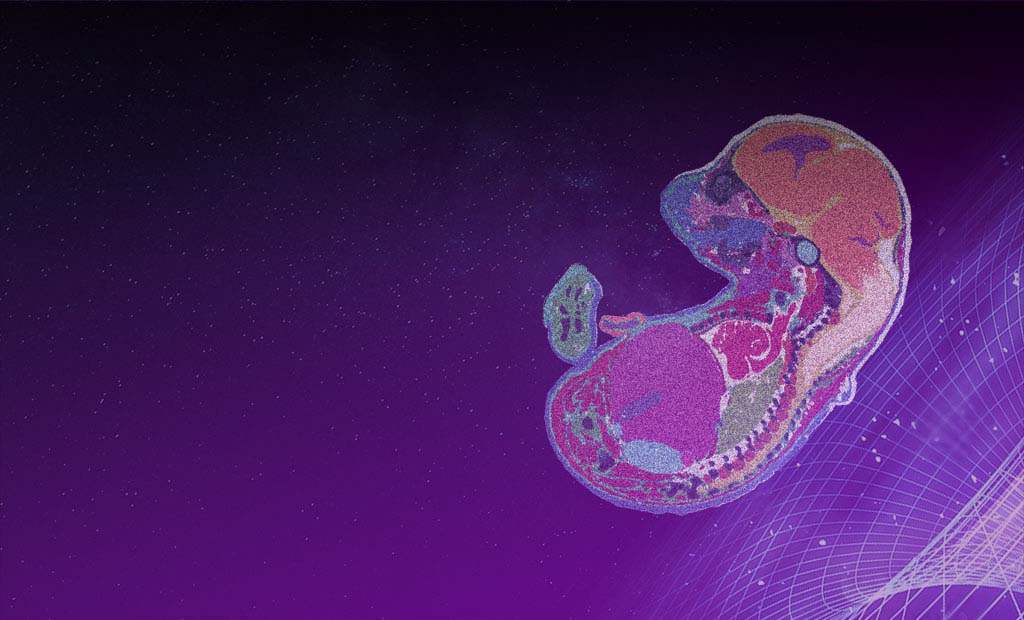
From brittle workflows to resilient resource centers: a technical roadmap
Let me be explicit: a spatial omics resource center must treat a transcriptomics dataset as a composite artifact — sequence reads plus spatial maps plus imaging layers. Technically, that means strict versioned metadata, standardized barcoding schemas, and automated checks that reconcile image tile coordinates with sequencing barcodes. I define checks as programmatic gates: checksum validation, coordinate mapping tests, and sample provenance audits. We adopted these in a mid-size core in 2021; within six months the rate of re-runs dropped by 45%. The terms matter — spatial transcriptomics, barcoding, multiplexed imaging — because they point to where integration fails.
What’s Next for resource centers?
Compare two paths: continue with ad hoc spreadsheets and hope the next technician catches a mismatch — or invest in simple automation and governance. I favor the latter. Practically, that meant linking LIMS entries to imaging servers and enforcing a naming schema at point of collection. Yes, that required training. Yes, some vendors push proprietary formats. We negotiated format exports, and we insisted on raw image access. The payoff: faster turnarounds and fewer angry PIs. Wait — it also made bulk purchasing smarter, because we could predict consumption patterns and reduce waste.
Now, three key evaluation metrics I use when choosing systems (and you should, too): 1) Metadata completeness rate — the percent of samples that pass an automated provenance check before sequencing; 2) Integration latency — time (hours) between image capture and barcode-coordinate reconciliation; 3) Re-run cost ratio — dollars lost to corrective runs per quarter. I recommend scoring vendors and internal processes on these metrics. I speak from hands-on experience: at one facility a 12-week backlog fell to 3 weeks after we scored and fixed the top two failure modes. Consider your procurement decisions with those numbers in mind. In short, choose tools that make spatial context first-class (not an afterthought). Interruptions happen — people leave, notes vanish — so design for recovery. Finally, for practical resources and datasets, check stomics for reference materials and community practices: stomics.