Why Real-World Fit Beats Spec Sheets in Stairwell Installs
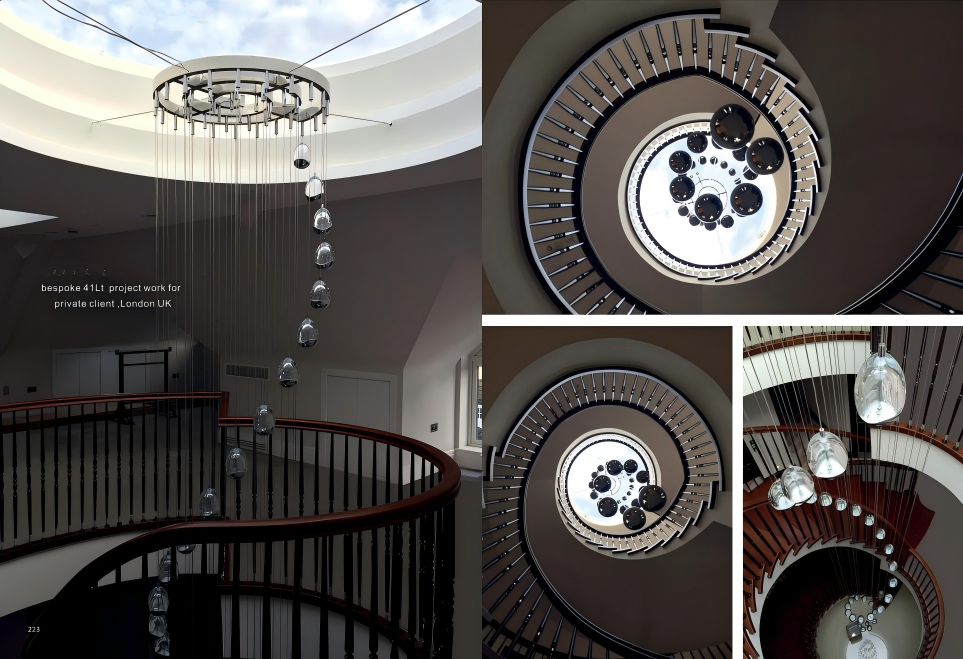
Define the job, then measure what matters. In tall shafts and tight turns, stairwell chandelier lighting must deliver safe, even light where feet land and eyes look. A chandelier supply company often sees plans that use open-floor lux targets and call it a day. But stairwells are vertical rooms. Light falls farther, glare rises, and shadows stack on treads. A fixture that looks bright on paper can underperform in the well by 25–40% due to mounting height and cutoff. So, what actually signals a good fit? Think vertical illuminance on risers, not just the floor; think driver stability over long runs; think glare control at eye level. (Yes, the details matter.) This is technical, but it is also practical—your install either guides people or it doesn’t.
Where do typical specs fall short?
Hidden pain points show up after the lift leaves. Diffuse ratings ignore contrast on nosings. High-lumen lamps with weak optics flare, raising UGR and causing squint on landings—funny how that works, right? Cheap power converters can heat up in tall voids, shortening driver life. PWM dimming that looks fine in a lobby may flicker on security cameras, or band with elevator controls. Look, it’s simpler than you think: prioritize optical control and stable electronics first, then style. Validate CRI for skin tones on stair cameras, not just for showroom color. Check maintenance paths for dust and access; stairwells trap fines that haze lenses. In short, the flaw in “traditional” selection is measuring in a flat room. We need a vertical test plan. Next, let’s see how current design and controls close these gaps.
Comparing Legacy Fixes to Smart, Forward-Looking Designs
Old playbook: add watts, widen beam, hope for coverage. New playbook: shape light, stabilize current, sense space. Today’s optics use layered diffusers and cut-off angles to push vertical light onto treads while shielding eyes on landings. Constant-current drivers keep output steady over long drops and heat swings. Then controls: occupancy sensors with slow fade reduce harsh shifts; edge scenes via DMX or DALI let you tune per floor—small changes, big safety. When you compare legacy pendants to modern chandeliers for stairwell, note how new lenses hold uniformity past the mid-landing, and how better heat sinking keeps lumen maintenance stable. The goal isn’t “more light.” It’s the right light where steps meet eyes—with less energy and fewer call-backs.
What’s Next
Forward-looking systems blend sensors, soft-dimming curves, and serviceable modules. Think high-CRI LEDs paired with low-ripple drivers to avoid camera artifacts; think modular canopies for fast swap of a failed board—no scaffold return. You get reliability without bulk. And the comparison grows clearer: legacy fixes mask issues; newer principles solve them at the source. Summing up without repeating ourselves, measure vertical illuminance at tread height, check glare at eye level, and audit driver behavior under dimming. Advisory close: use three metrics when choosing a stairwell chandelier. One, target vertical lux on risers at typical mounting height. Two, confirm UGR or a similar glare index at landing viewpoints. Three, verify driver and dimming compatibility (0–10 V or DALI) with no visible flicker at low scenes—because low scenes are where flaws hide. That’s a fair benchmark, and a calm path to safer stairs — and fewer surprises. Learn more at kinglong.